
HOTDOGER speak about us
26 June 2025
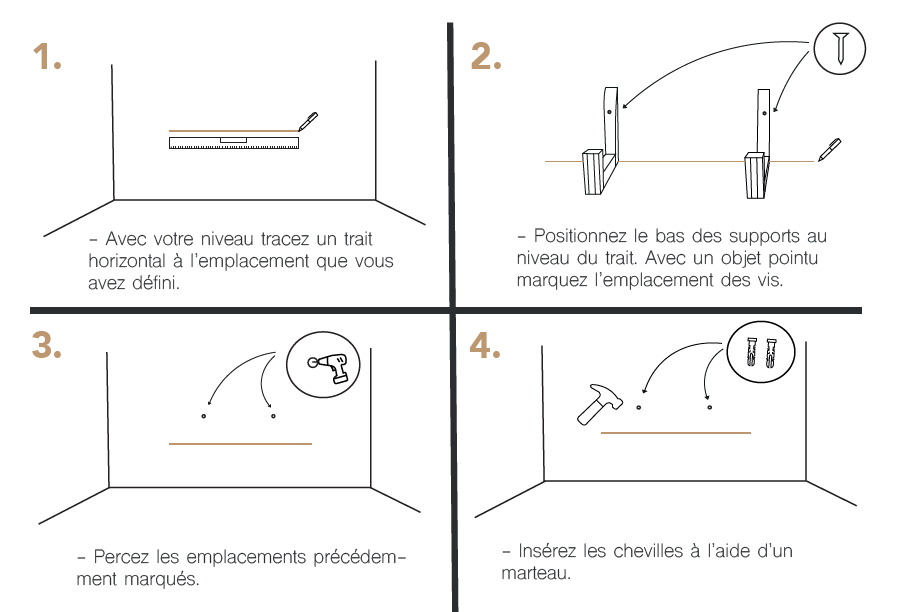
How to Install a Wall Surf Rack: Step-by-Step Guide
12 August 2026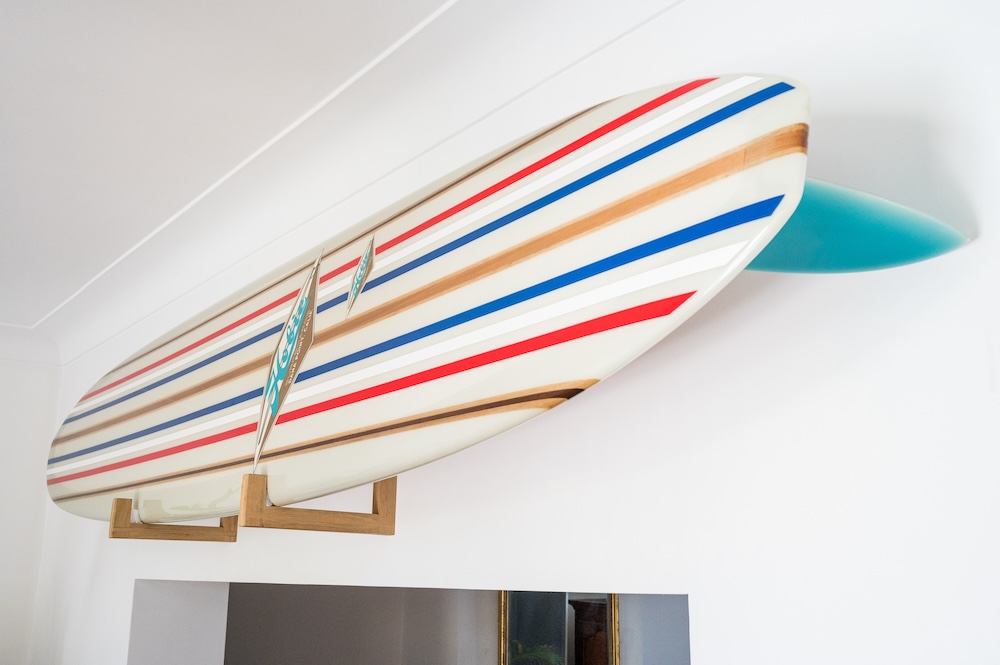
A wood surf rack is more than just a support: it’s an object that lives in your home for years, exposed to humidity, temperature changes, and salt if you bring it straight in from the beach. Choosing the right wood species isn’t just about looks — it determines how long your rack lasts and how well it protects your boards.
This guide walks through the wood species most commonly used for handmade surf racks, and explains why solid wood remains the best choice over industrial materials.
Why Wood Beats Aluminum or Plastic
An aluminum or molded plastic rack does the job, but it ages badly: plastic yellows and turns brittle under UV, and aluminum scuffs and produces an unflattering metallic sound against the board. Solid wood, on the other hand, ages by developing a patina rather than degrading.
Three things set a handmade surf rack in wood apart from an industrial model: the feel and cushioning, since wood absorbs micro-impacts better than a rigid metal or hard plastic surface; the timeless look, blending into any interior without ever looking dated, unlike a plastic sports accessory; and the repairability, since a solid wood rack can be sanded and refinished after years of use, while a plastic rack has to be replaced entirely once damaged.
The Most Common Wood Species for a Surf Rack
Oak
Oak is one of the sturdiest species available. Its high density makes it particularly resistant to knocks and wear, making it an excellent choice for a rack used daily or for heavier boards like a paddleboard. Its distinctive grain also gives it a strong visual character.
Beech
Beech is prized for its light, even tone, which fits easily into different interior styles. It’s a hard, stable wood over time, though slightly more sensitive to humidity than oak if not properly treated — worth keeping in mind for a rack installed near a garage door or in a poorly ventilated space.
Birch
Birch is a lighter species, both in weight and in tone. It offers an excellent strength-to-weight ratio and the Scandinavian look currently popular in interior design. It’s easy to work by hand, making it a favorite in craft workshops for pieces with precise cuts.
Teak
Teak is known for its natural resistance to humidity thanks to its natural oils, which historically made it a reference wood for boating and outdoor furniture. A teak rack is particularly well suited to an unheated garage or a spot near water, though it’s generally the most expensive species.
How a Handmade Surf Rack Is Made
Unlike an industrial model cut and assembled in series, a handmade surf rack is typically shaped piece by piece in a workshop: selecting the wood, custom-cutting it to the dimensions of the board it will hold, sanding and finishing by hand. This approach allows the width of the support to be adjusted to the type of board, whether shortboard, longboard, or paddleboard, which is rarely possible with a standardized model sold in a big-box store.
It’s this piece-by-piece, handmade craftsmanship in a French workshop that sets a handmade surf rack apart from a mass-produced accessory.
How to Care for a Wooden Surf Rack
A well-maintained solid wood rack can last for decades without losing strength. A few simple principles are enough: avoid prolonged exposure to standing moisture and don’t leave a wet board resting on it for hours; dust regularly with a dry cloth, without harsh chemical products; for a rack installed outdoors or in an unheated space, a protective oil applied once or twice a year extends the wood’s resistance; and avoid direct heat sources, such as radiators or direct sun through a window, which can speed up the wood drying out.
FAQ
Which wood species is the most resistant for a surf rack?
Oak and teak are generally the most resistant species: oak for its hardness against impacts, teak for its natural resistance to humidity.
Does wood hold up as well as aluminum in a damp garage?
Properly treated wood, especially teak, holds up very well against humidity in a garage. That said, it’s best to avoid prolonged contact with standing water regardless of the material.
Should you varnish or oil a wooden surf rack?
It depends on the species and the installation environment. A protective oil is usually enough for indoor use, while a damp or outdoor space benefits from more regular treatment.
Does a wood rack damage the board less than an aluminum one?
Yes, wood offers a softer contact and absorbs micro-impacts better than a rigid metal surface, provided the rack is properly sized for the board.
Why does a handmade rack cost more than a big-box model?
The price reflects the time spent on handcrafting, the choice of solid wood over composite materials, and the possibility of customizing dimensions to the board — all things absent from mass industrial production.
Conclusion
Choosing the right wood species for a wood surf rack isn’t a minor detail: it shapes the durability, maintenance, and look of your support for years to come. Oak for strength, beech for a light look, birch for lightness, teak for humidity resistance — each species suits a different use. In every case, a rack made by hand in a workshop remains the most durable choice compared to industrial alternatives.